This site requires Javascript enabled to operate correctly. Please enable Javascript in your browser, or click here

Artist's Statement

My practice moves between drawing and painting, working both outdoors and in the studio. The process begins long before the mark is made: in contemplation, reflection, and lived experience. Whether I am sketching while travelling, working en plein air, or developing larger-scale works in the studio, the act of making is inseparable from the act of being present.

I do not treat art as an autonomous object, detached from the human who produces or encounters it. On the contrary, I believe art is fundamentally human — impossible to separate from perception, memory, emotion, and the body that experiences it. There is, to me, an artist in everyone. In my own case, experiencing art as an audience is essential, but insufficient. I feel an irrepressible need to make work myself, as one speaks a language not by choice but by necessity.

Drawing and painting function as tools of processing and inquiry. They allow me to approach experiences, sensations, and questions that might otherwise remain inaccessible or unarticulated. Making becomes a way of thinking — and of feeling — through what is lived.

Sensual intelligence plays a central role in my work. I am drawn to transmitting embodied, tactile emotions: the taste of food lingering on the palate, the memory of texture and temperature, the quiet intimacy of everyday gestures, and the subtle tension of a body at rest. I am interested in capturing the stillness that exists inside motion — those suspended moments where attention sharpens and time seems to hold.

My visual language draws freely from multiple spheres of human expression. I find influence in underground music cultures as readily as in religious and spiritual traditions, as well as in my own personal history. Rather than illustration, I seek translation — allowing experiences, beliefs, and sensations to pass through the body and re-emerge as form.

Ultimately, my work is an attempt to remain attentive: to observe, to inhabit, and to render visible the subtle exchanges between inner life and the world as it is lived.

Naïs

Manifesto

I draw for those who cannot hear themselves scream.
And for myself.

My work gives form to what remains unspoken — sensations, tensions, and inner states that resist language yet insist on being felt. Drawing becomes an act of attention and recognition: a way of listening when words no longer suffice.

I am interested in presence — in what surfaces when one slows down enough to perceive the liminality of personal experience within a vast world.

Biography

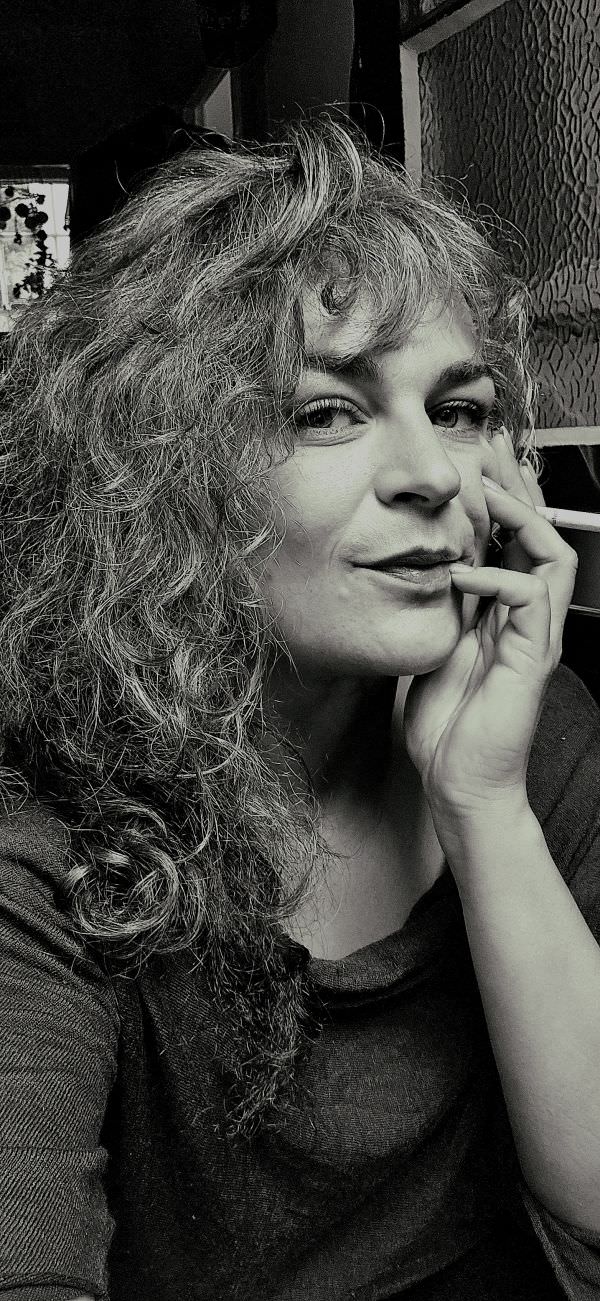
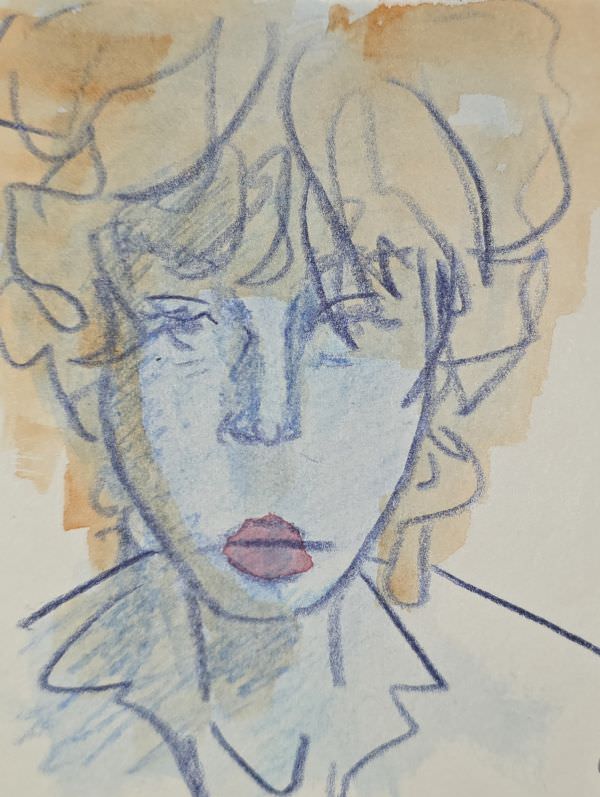
Naïs is based between London, East Anglia (Norwich and Cambridge), and Luxembourg, where she was born. As an autodidact, independent artist working across mixed-media painting and illustration, both on paper and digitally, her practice is grounded in drawing as a primary mode of thinking and perception, extending into painting at varying scales. Illustrations are typically small to medium in format, while her painted works range from intimate to large-scale pieces developed in the studio.

Naïs exhibits rarely, by choice. Visibility is approached with intention rather than frequency, and public exhibition is not a default outcome of her practice. When works are shown, it is most often through private viewings, private events, or site-specific contexts, frequently in dialogue with other disciplines or as part of selective collaborations. Many works are not offered for sale, reflecting a deliberate stance on the limits of commodification and the belief that not all artistic gestures are compatible with market circulation.

Her resistance to market-driven production is central to her methodology. Artistic integrity, selective visibility, and conceptual coherence take precedence over exposure. Certain works are considered non-commodifiable by nature, while others are released only within carefully defined frameworks. Collaboration follows the same principle: chosen sparingly, when alignment of values and language is evident.

Naïs’ work engages with sensual intelligence, embodied perception, and the liminal space between inner experience and the external world. Influences range from underground cultural movements to religious and spiritual traditions, as well as lived personal experience. Rather than illustration, her practice seeks translation — allowing complex, often unspoken states to emerge through form.

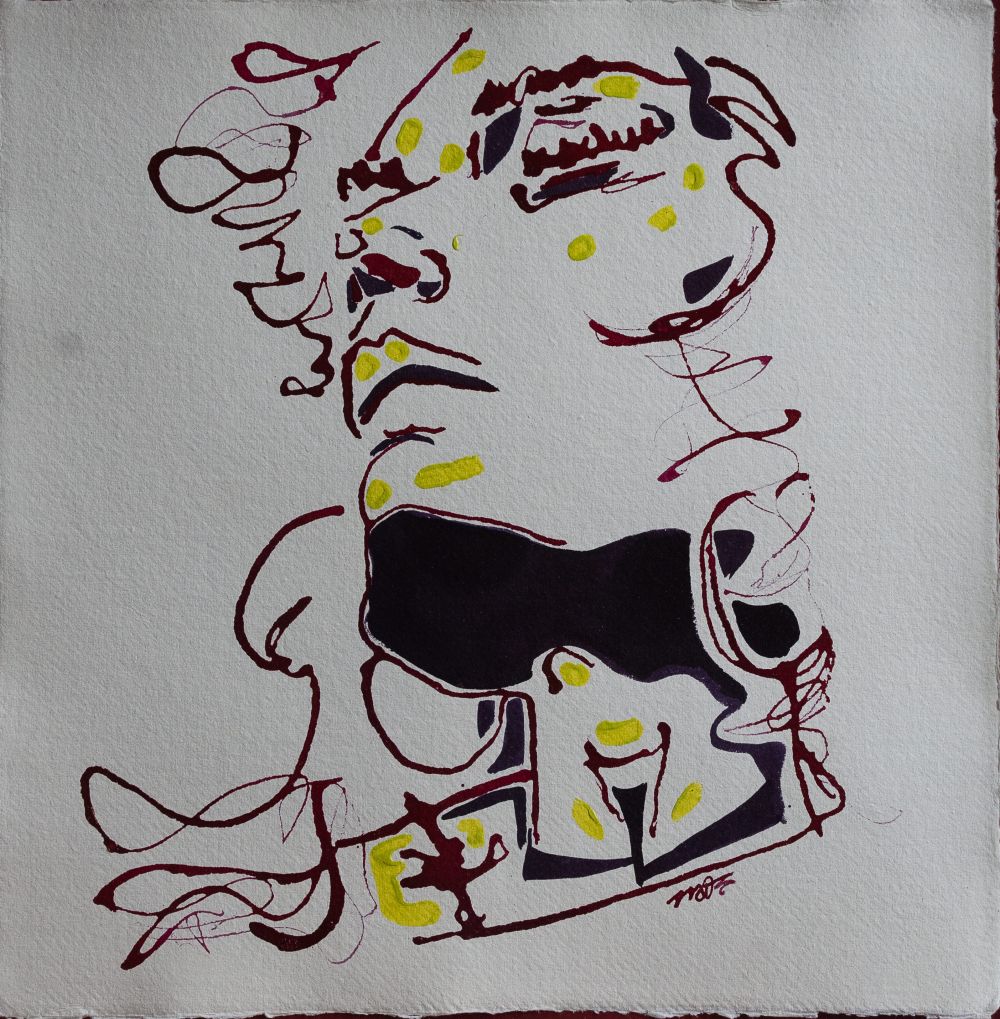
Her latest collaboration with Chef Jean-Philippe Blondet cultimated in a few artworks, one of them currently on show at Alain Ducasse at The Dorchester, London. 

Naïs

Credits